Welcome to our website !

Petpujo and Adda

on food, people and places

Baked Alu Tikki : Healthy , Easy and Tasty ( North Indian street Food)


Alu Tikki reminds me of my Vijaynagar days in Delhi University. The ‘thela walla’ with alu tikki, the smell, banging of the iron spoon on the huge iron tawa in the evening announcing his arrival. Whenever I think of alu tikki, I am always reminded of days when three of us had to share one plate of the alu tikki or momos and would be dreaming about days when we will be rich enough to eat separate plates. We all can buy separate plates now but that fun of eating together and sharing can never be replaced by the joy of individual plates. It reminds of SJ  saying ‘Maja aa giya’

 
Alu tikki brings smell of Delhi to me- the city I love to hate, the city which had taken so much and given so much, the city where I met R. My friends and my life support -S, S, A, P, P,J,J – I met them all in Delhi.
 

My baked alu tikki does not taste anything like the alu tikki of the ‘thela walla’. Just the way phuchca never taste the same when made at home. And I am happy that it does not. The taste belongs to Delhi and I will like to go back to the city to savour the taste.

 But, let me tell you something, it does not taste that bad either. It is not as crunchy and crusty as the deep fried alu tikki (of course not!!!!!!!!!!!!!!!!!!).  It is crispy, crumbly, and soft. The idea is not to replace the fried alu tikki but to have a little healthier version so that we have them guilt free and more often.

 Try making them. I can promise that you will not regret.

 
Note : Using the same ingredients and method of making alu tikki  you can deep fry the alu tikki instead of baking them.  In that case, you will need oil for deep-frying.

 
Ingredients:

10-Medium Potatoes

1-Large red onion chopped

1-Green chillies chopped (optional. I did not use it)

½-teaspoon red chilli powder (optional. I did used kashmiri chilli powder for colour)

1/2- Teaspoon chopped ginger (optional. I used in some and most people did not like it. But I liked it)

2-teaspooon chopped coriander leaves.

1- teaspoon chat masala (optional. I used sumac)

1-cup breadcrumb

Little oil to aid browning

Salt as per taste

 Method:

1.     Preheat the oven to 200C fan oven

2.    Line a baking tray with foil

3.    Boil the potatoes and clean them when cooled

4.    Mash the potatoes properly, but leave a little bit of lump ( very little) for texture

5.    Add rest of the ingredients and combine well

6.    Make round balls with the mixture and then take each ball and flatten them

7.    Add oil in the breadcrumb and combine. The crumb will still remain loose but little oils helps to brown well while baking

8.    Roll the flatten balls on the bread crump and then place it on the baking tray

9.    Bake for 15/20 mins or little more depending on oven. Basically bake until golden brown on both sides

10. Serve hot with raita or chutney

For regular update from my blog, please visit my face book page here  and click ‘like’. Also, follow me at my blog . I am featured at Network bloggers.  You can also leave your comments here. Your comments and suggestions are most welcome. Hope to see you again!


Coffee Snaps: a coffee time favorite for both S and R


Ingredients: (This will make around 70)

125g spread or butter ( I used spread)

200g brown sugar

3- Teaspoon ground coffee

1-teaspoon vanilla extract

1-egg

220g- flour ( or you can use 110g plain and 110g selfraising flour. then you will not need baking powder)

1/2-teaspoon baking powder
 

 Method:

1.     Preheat the oven 160c for fan oven

2.    Beat the spread/butter, coffee, vanilla and sugar until light and fluffy. I use electric beater for about 7 minutes

3.    Add egg and combine

4.    Shift the flour with baking powder

5.    Combine  the flour

6.    Roll rounded teaspoons into balls and place 1 inch apart on a greased baking tray

7.    Bake for 10 mins. do not wait till they are hard and they will become crisp once cooled

8.    Cool down before serving

For regular update from my blog, please visit my face book page here and click ‘like’. Also, follow me at my blog . I am featured at Network bloggers.  You can also leave your comments here. Your comments and suggestions are most welcome. Hope to see you again!


Guest Post by My Mother: Noakhailla Nona Ilish (Salted Hilsa)


The illicit happines of eating Nona Ilish
Being from Noakhali (coastal area) Nona Ilish is almost staple for my parents.  My ma tells ‘During the months when Ilish is in abundance in fish markets, our cooks would buy them in bulk and salt them for later use. Ilish was always served when there was an important meal at home, which we often had. On the months when fresh Ilish was not available in market, our cooks would use the nona Ilish so as to take away the pain of not getting fresh fish’.
The tradition continues. I am in love with nona Ilish and we still get nona Ilish from Bangladesh, thanks to my didon (maternal grandmother). I am not sure about the process of making the nona Ilish. My mother tells that usually fish is cleaned and cut. Then salted and stored in a terracotta pottery underneath the kitchen floor (their kitchen floor was mud made for a long time. Now it is concrete). However, my father thinks otherwise. He thinks all you need to do is clean and cut the fish. Then salt them properly and store them in fridge. He thinks his version is the modern way of doing the nona Ilish. I do not know how the fishmongers would react to it, but the nona Ilish my mother cooked is made by my father using his modern method. He proved himself quite right.

For the uninitiated, this fish does not smell like ‘shutki ‘(dry fish) nor does it taste fermented. Salt actually works as a preservative for the fish. It also gives distinct taste and texture. I always thought it is the Bengal’s who eat salted fish. However, I realised that Tesco in UK sells salted fish in World food section.  There are bottled salted fish that many uses in salads.  My mother was very excited to hear this as if it was her own creation being eaten by global people. It also gave a sense of superiority to her: as if, rest of the world has learnt to eat salted fish from Noakhali. That is how important it is to her!

Note: this cooking does not need any extra salt.

Ingredients:

4-pieces of salted Hilsa (Ilish)

2-onions cut into thin slices

½-teaspoon turmeric powder

1-teaspoon red chili powder (you can use less hot variety as well)

Lots of oil (4/5 table spoon or more)

 Method:

1.     Soak the salted fish in warm water and clean it properly

2.    Soak it again in warm water until the fish is soft

3.    Meanwhile , take the onions in a bowl and mix them with hand to make them soft

4.    Heat oil in a pan and add onions

5.    Add the turmeric and red chili powder and fry the onions until oil separates

6.    Throw the water from the fish and cut them into small pieces

7.    Add the fish with onions and fry for 5/10mins

8.    Add little water and cover

9.    Cook until fish is cooked and onion soft and oil has separated

10. Serve with white rice

For regular update from my blog, please visit my face book page here  and click ‘like’. Also, follow me at my blog. I am featured at Network bloggers.  You can also leave your comments here. Your comments and suggestions are most welcome. Hope to see you again!


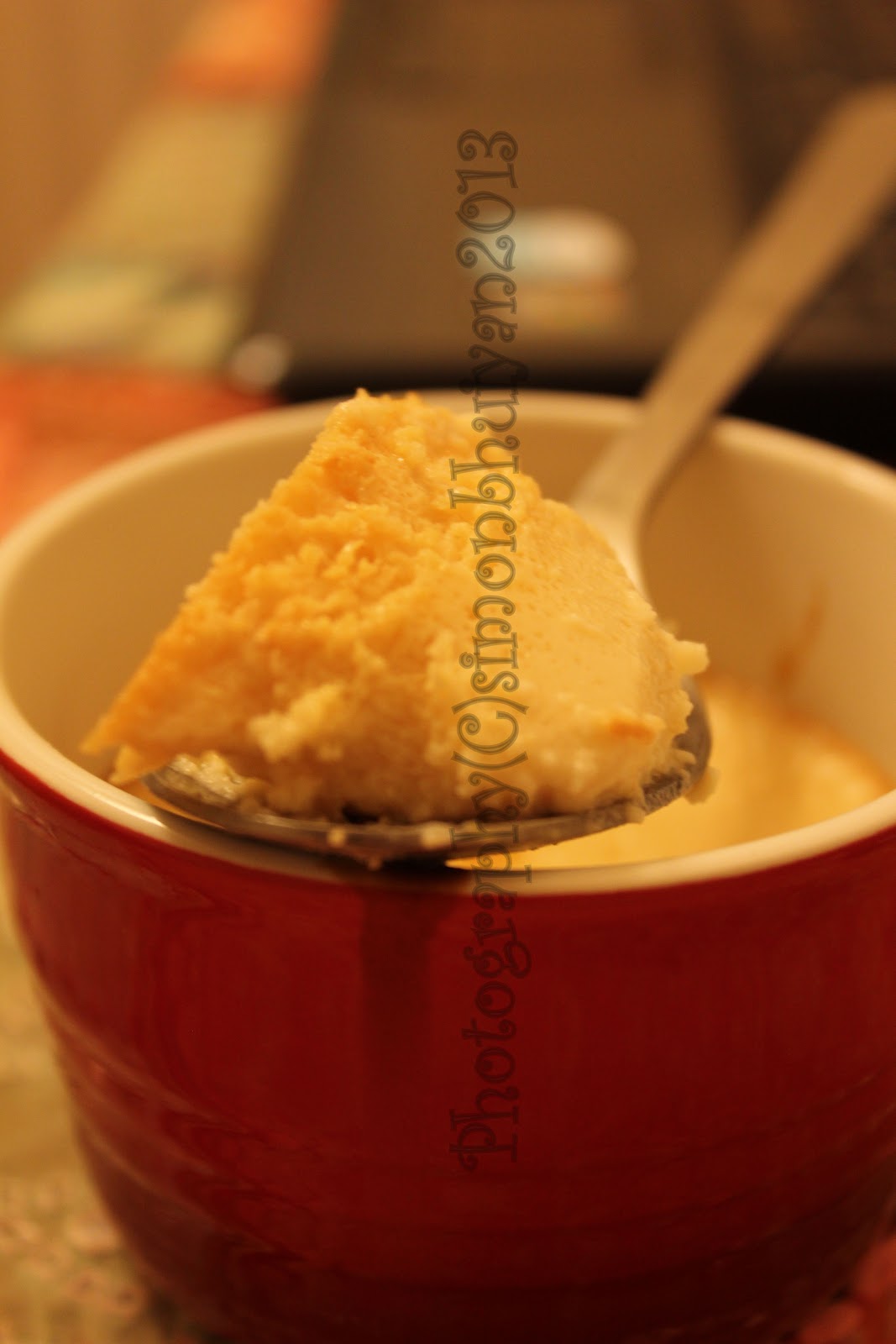
Bhapa Misti Doi (Steamed Sweet Yogurt)


Want to have something sweet but have very little time, too tired to make, suddenly guest coming for dinner so need a quick dessert…. Then this is what you want to make………..Bhapa Misti Doi ( steamed Sweet Yogurt).

This is simple.. really really simple!!!!!!!!!!! Try is to know it!

Happy Cooking!


Ingredients:

1 –cup fat free Greek yogurt/ or full fat yogurt (no need to use hung curd)

1-cup evaporated milk

1-cup condensed milk (if like little less sweet, add less of condensed milk)

 
Method:

1.     Pre heat the oven at 180c( fan oven)

2.    Mix all ingredients together

3.    Pour in ramekins

4.    Fill a baking tray with water and place the ramekins

5.    Bake without covering

6.    After 30/35 mins the yogurt should set, if not keep until set. Insert a skewer to see if the yogurt is set and the top is light brown. it might be little wobbly though. ( your time may vary depending on the quantity and the oven as well)
 

7.    Set in the fridge for 2 hours before serving so that it is not wobbly any more

8.    Garnish it with saffron or fruits like Mango and serve. You can serve it plain without any garnish too and it taste awesome! Enjoy the creaminess of the misti doi

 
For regular update from my blog, please visit my face book page here  and click ‘like’. Also, follow me at my blog. I am featured at Network bloggers.  You can also leave your comments here. Your comments and suggestions are most welcome. Hope to see you again!

Shorshe Chicken (Mustard Chicken)


This is a classic Bengali dish, although mainly cooked with fish.  This is not for the faint hearted-for the dish has a punch from the mustard paste which is very different from the English mustard paste one would get in store. Usually mustard paste for the dish is made using mustard seeds and using ‘Shil Nora’ (pestle and mortar).

There are various ways to cook the dish. The traditional way (or it is said..Although debatable) of cooking, this dish is the simplest and I feel, also the tastiest. However, my mother thinks otherwise. She will add some fried red chili and curry leaves to the dish very often to make it a little different. Sometimes she also adds coconut milk or just milk. I am cooking it my way- the simplest way for me, so that I can get over with this week’s cooking and cleaning and then go out to enjoy the snow!

Happy cooking and enjoy the food.

Ingredients:

1 small chicken

2-onions finely copped

1-tablesppon ginger paste

1-tablespoon garlic paste

1-teaspoon turmeric powder

¼-teaspoon red chili powder (depending on taste)

3-tablespoon mustard paste (or powder. I used powder from kolkata)

3-tablespoon yogurt

2-tablespoon mustard oil/ white oil (I used combination of both)

4-green chili slit in the middle and deseeded to get rid of the hotness of the chili

Salt to taste

Pinch of sugar

 
Method:

1.     Heat oil in a pan and add sugar and caramelize it

2.    Add the onion and fry until soft and brown

3.    Add ginger and garlic paste and fry

4.    Add red chili and turmeric and salt and little water

5.    Cook it until oil separated

6.    Add chicken and cook until tender. Incase needed add little water. Otherwise it should release water anyway

7.    When chicken is cooked add the mustard paste ( if using package then soak the mustard with little salt for 10 mins before using)

8.    Add green chili

9.    Cook for 5/10 mins and then add the yogurt ( which is already beaten  in a bowl)

10. Cook for another 5/10 or until gravy reduced  but do not cook for long as the yogurt may separate

11.  Serve with boiled white rice

For regular update from my blog, please visit my face book page here  and click ‘like’. Also, follow me at blog. I am featured at Network bloggers.  You can also leave your comments here. Your comments and suggestions are most welcome. Hope to see you again!


Winter Warmer Root Vegetables and Chicken One Pot Dinner


Well, after thousands of Christmas lunches, between shopping eating, endless New Year Parties and then of course the  Poush Sankranti eating extravagance- it is time for me to remember ( at least I am trying. So you are not allowed to laugh) that I had promised to eat healthy for my dinner.
I am not one of those people who think healthy food is essentially bad food or no food at all. I actually like my food to be light, easy to cook –something that does not make me sluggish after eating. I love eating vegetables, fish and chicken. At the same time, I do not like bland food. My food needs to have texture, flavor and the spices. A combination of sweetness from vegetables, that meaty taste of fish or chicken and the zing of Asian spices like little green chili, black pepper, mustard, cumin, coriander etc. And of course the color: it has to be inspiring.
I am cooking a one-pot dish today, which has everything that I like. Note:  I am using chicken for protein and as I like it so much. That is optional. You can use kidney bean (rajma), chickpeas (chana) or Paneer in case you want some protein in your food. Otherwise, you can make this dish with just vegetables and it tastes equally wonderful.  
 
Ingredients (Measured for Two):

100g-carrots cut into small cubes

100g-Swede cut into small cubes

100g-Parshnip cut into small cubes

100g-Potatoes cut into small cubes

6-small pieces of chicken (optional)

1-large onion, cut in to thick wedges

3-cloves of garlic, sliced

3-tablespoon of tomato puree/ketchup ( I used  no added sugar version)

1-tablespoon of whole grain mustard paste

½-cup red lentil, washed

1-teaspoon dried oregano

1/2-teaspoon red chili flakes
 
1-tablespoon oil

Salt to taste

Black pepper to taste

 Method:

1.     Heat a pan with oil and fry garlic until you can smell it

2.    Add onion and fry the onion until almost caramelised

3.    Add the chicken and salt

4.    Add black paper and fry for a while

5.    Add the washed lentil

6.    Add rest of the vegetables and fry for 10mins

7.    Add water and boil

8.    After 10 mins to add tomato puree,oregano and red chili flakes
,
9.    Slow cook until water has reduced, chicken cooked and gravy thickened

10. Add more water and add the mustard paste

11.  Cook until desired gravy achieved

12. Serve  hot as one course meal or with  a slice of bread

For regular update from my blog, please visit my face book page Pet Pujo and Adda and click ‘like’. Also, follow me at my blog. I am featured at Network bloggers.  You can also leave your comments here. Your comments and suggestions are most welcome. Hope to see you again!


Poush Sankranti: time for new harvest, kites, Ganga Sagar Snan and Mela, pitha, puli, payesh

English months January–February, that is the months of Poush-Magh-Falgun in Bengali calendar, are the months for celebration of new harvest.  Ours being predominantly an agrarian society, harvesting festival is celebrated across Indian. Known by different names in different parts of the coiuntry- Poush Sankranti in Bengal, Makar Sankranti in Rajasthan, Andhra Pradesh, Bihar, Jharkhand, Goa, Madhya Pradesh, Karnataka ect, Maghi in Haryana and Himachal Pradesh, Lohri in Punjab, Pongal in Tamil Nadu, Uttarayan in Gujarat and Rajasthan, Magh Bihu or Bhogali Bihu in Assam- with some regional variation, it is celebrated with much fan fare  in all most every household.  It is also celebrated in Nepal –Maghe Sankranti, Myanmar-Thingyan, Cambodia-Maha Sangkran, Thailand-Songkran- again mainly agrarian economy.
 
Although the festival has a religious tonality, in the rural areas, where people still depends on agriculture, everybody celebrates the harvesting festival and takes the opportunity to pray to their God: the land and the crop. In West Bengal this day is also marked by Ganga Snan: a dip in the ocean where Ganges drains in to the sea is considered to be of great religious significance. It is believed that taking holi dip  during this time of the year cleanses all sins. In other part of the country, the sky will be like a rainbow with kites flying from every rooftop. In Delhi, I remember we used to have bonfire and dance around it while throwing peanuts, popcorn etc into the fire.  
Although the festival is a more rural festival, urban household celebrates it too with special emphasis beings food. Hence, it is also known as Pithey Parbon. Both my parents’ household, being agrarian celebrates it in a big way. Although, they have not been farming for ages now, it remains one of the most important festivals along with Noboborsho (Bengali New Year), Lakshmi Puja, Boter Bhat. I do not remember any pujo’s or praying associated with the festival, however my grandmothers, my mother, and all my mashi’s would make pitha and serve it to their God during evening prayers. I like the idea that we are celebrating harvesting festival. With time, we are forgetting our farmers, that our country is essentially an agriculture-based economy, that we have horrible agriculture policies and that every year we have farmers committing suicide. When we are so busy with our life, maybe a festival likes this with all focus on the food and pitha and payesh, we would at least think about the people who are making it all happen.

I am celebrating the day with the hope that I will be able remember my original background that is rooted in the land. I have made Pati Shapta, Malpua, Dudh Puli and Bhapa Pitha for the day. My father is super excited about it. He thinks although it is more about eating now, it still has the power to push people to think about farmers. I believe him.

Here are the recipes for the Pithas that I made:

For Recipe of Pati Sapta Pitha click here

For Recipe of Dudh Puli click here
 

For Recipe of Malpua click here
 
 
For Recipe of Bhapa Pitha Click here


Popular Posts